Top travel destinations in 2025
Are you ready to discover the hottest travel spots of 2025? Picture this: from hidden European gems to futuristic Asian metropolises, this year’s must-visit destinations are rewriting the definition of wanderlust. Whether you’re an experienced globetrotter or dreaming of your first big adventure, this guide is your personal crystal ball into what’s trending in travel right now. Why are these places rising to fame? What experiences await you there that no social feed has captured yet? Scroll down and you’ll walk away with not just a bucket list, but a vision for your next epic journey—one that could change the way you see the world. Let’s chart a new course together, starting with the destinations you’ll be hearing about everywhere, but experiencing for yourself.

In a world that is constantly rushing forward, Kyoto is quietly stepping back into the global spotlight as a sanctuary of serenity. Once bustling with tourists, this ancient city is experiencing a gentle resurgence, attracting travelers who crave authenticity, tranquility, and a deep connection to culture.
Kyoto’s allure in 2025 is not just about its iconic temples or cherry blossoms. It’s about a return to slow travel, where visitors are seeking mindful experiences and moments of reflection. The city’s new popularity comes from its ability to offer a peaceful escape from the noise of modern life, making it one of the most popular travel destinations of the year.
- Mindful Tourism: Travelers are now choosing destinations that promote well-being and personal growth. Kyoto’s gardens, tea ceremonies, and meditative spaces are perfect for those seeking to slow down and reconnect with themselves.
- Cultural Preservation: The city has embraced sustainable tourism, encouraging visitors to respect local traditions and support small businesses. This not only preserves Kyoto’s heritage but also enriches the travel experience.
- Seasonal Beauty: From the subtle greens of spring to the fiery reds of autumn, Kyoto’s natural scenery offers year-round inspiration. Photographers, artists, and nature lovers are drawn to its ever-changing landscapes.
| Experience | Benefit | Best Time |
|---|---|---|
| Zen Temple Retreat | Deep relaxation, mindfulness | All year |
| Traditional Tea Ceremony | Cultural immersion, stress relief | Spring & Autumn |
| Forest Bathing in Arashiyama | Nature connection, mental clarity | Summer |
| Night Walks in Gion | Historical ambiance, quiet reflection | Winter |
- Wake up early to visit temples before the crowds arrive. The quiet mornings are magical and allow for true contemplation.
- Engage with local artisans. Whether it’s pottery, calligraphy, or kimono dressing, hands-on experiences deepen your appreciation for Kyoto’s culture.
- Choose accommodations that emphasize peace—think traditional ryokans or boutique guesthouses nestled in nature.
- Travel by foot or bicycle. Slow travel is not just a trend, but a philosophy that lets you notice the small wonders of Kyoto’s backstreets and gardens.
Kyoto’s quiet resurgence is a gentle reminder that sometimes, the most profound journeys are the ones that bring us back to ourselves. As you plan your travels for 2025, consider the wisdom of seeking serenity, and let Kyoto show you the beauty of slowing down.
Keywords: Kyoto, serenity, slow travel, mindful tourism, cultural preservation
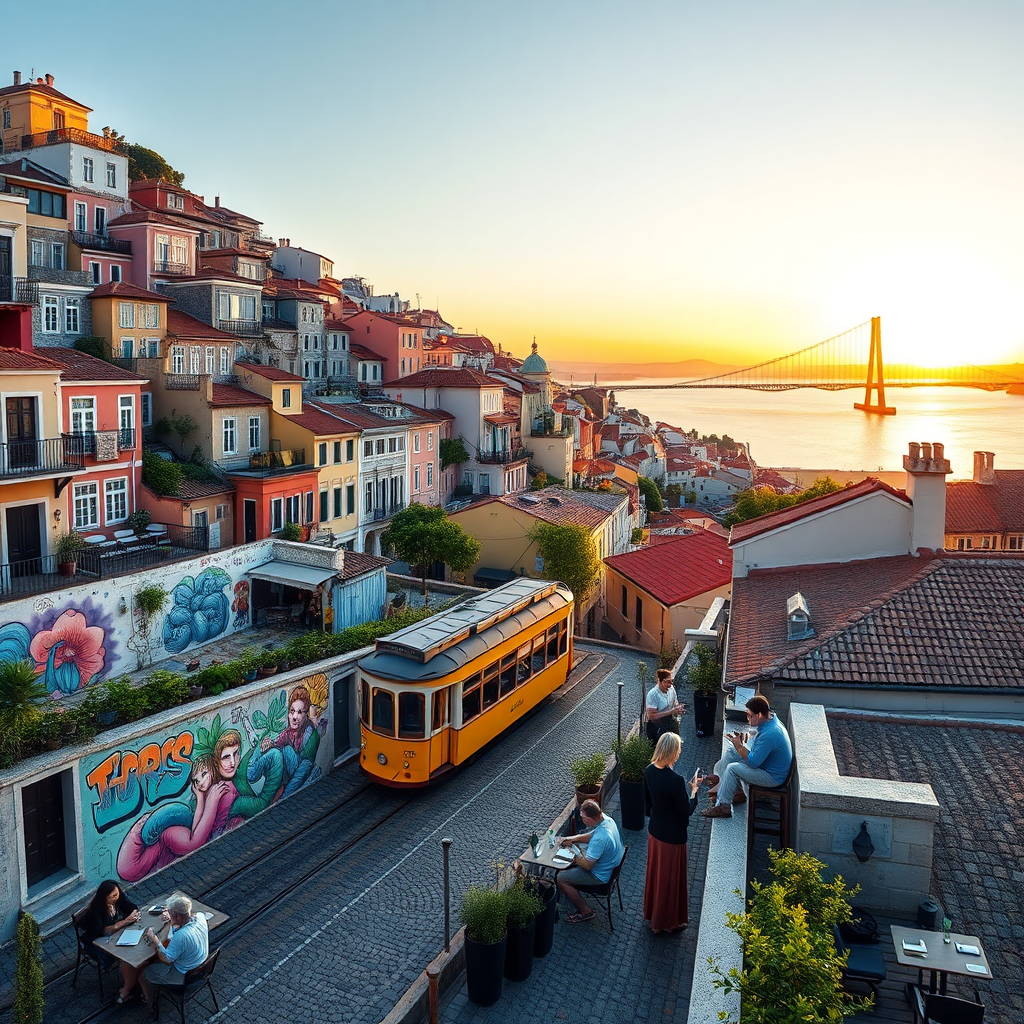
In 2025, Lisbon is no longer just a picturesque city by the Atlantic. It has blossomed into Europe’s new creative capital, attracting digital nomads, artists, and innovators from around the globe. But what makes Lisbon’s charm so electric, and why is it the city everyone wants to visit now?
Let’s explore the story of Lisbon’s transformation through the lens of Dan Harmon’s 8-stage story structure:
- The Comfort Zone: For decades, Lisbon was known for its old-world charm, historic trams, and pastel-colored buildings. Life moved at a gentle pace, with locals enjoying fado music and custard tarts in sunlit plazas.
- The Need: As the world changed, Lisbon felt the urge to reinvent itself. The city wanted to attract young talent, new businesses, and creative energy to rejuvenate its economy and culture.
- Go: In the early 2020s, Lisbon invested in tech hubs, creative co-working spaces, and art districts. The city embraced innovation, sustainability, and inclusivity, opening its doors to the world.
- Search: Artists, entrepreneurs, and digital nomads arrived, searching for inspiration and opportunity. They found affordable living, a mild climate, and a welcoming community. The city’s creative pulse began to beat stronger.
- Find: Lisbon’s neighborhoods like Alfama and Bairro Alto became canvases for street art, music festivals, and pop-up galleries. The annual Web Summit drew global attention, cementing Lisbon’s reputation as a creative hotspot.
- Take: The influx of new ideas wasn’t without challenges. Gentrification, rising rents, and cultural clashes tested the city’s resilience. But Lisbon responded with community-driven projects, sustainable urban planning, and a focus on preserving its unique identity.
- Return: By 2025, Lisbon emerged as a harmonious blend of tradition and innovation. Its creative scene is not just thriving—it’s inclusive, diverse, and deeply rooted in local culture.
- Change: Today, Lisbon inspires other cities to balance progress with authenticity. It’s a living example of how embracing creativity can transform not just a city, but the lives of everyone who visits or calls it home.
- Creative Hubs: From LX Factory’s industrial art spaces to the cobbled streets of Mouraria, Lisbon buzzes with innovation. Co-working spaces and start-up incubators make it a magnet for remote workers and entrepreneurs.
- Cultural Fusion: Lisbon’s history as a port city is reflected in its multicultural food scene, music, and festivals. Here, you’ll find traditional fado echoing alongside Afrobeat and electronic music.
- Sustainable Living: The city leads Europe in green initiatives—solar-powered trams, eco-friendly markets, and urban gardens are part of daily life. Lisbon’s commitment to sustainability is a blueprint for future cities.
- Affordable Adventure: Compared to other European capitals, Lisbon remains budget-friendly. Enjoy world-class cuisine, surf Atlantic waves, or explore historic castles—all without breaking the bank.
| Lisbon Highlights | Why It Matters |
|---|---|
| Street Art in Alfama | Celebrates local identity and global creativity |
| Web Summit | Draws tech leaders and innovators worldwide |
| Eco-friendly Trams | Showcases Lisbon’s green transformation |
| Multicultural Cuisine | Reflects Lisbon’s open, inclusive spirit |
Lisbon’s electric charm is more than a trend—it’s a movement. For travelers seeking inspiration, connection, and a glimpse of the future, Lisbon is the place to be in 2025. Whether you’re an artist, entrepreneur, or curious explorer, this city will ignite your creativity and leave you with unforgettable memories.
Keywords: Lisbon, creative capital, travel destinations 2025, innovation, sustainability
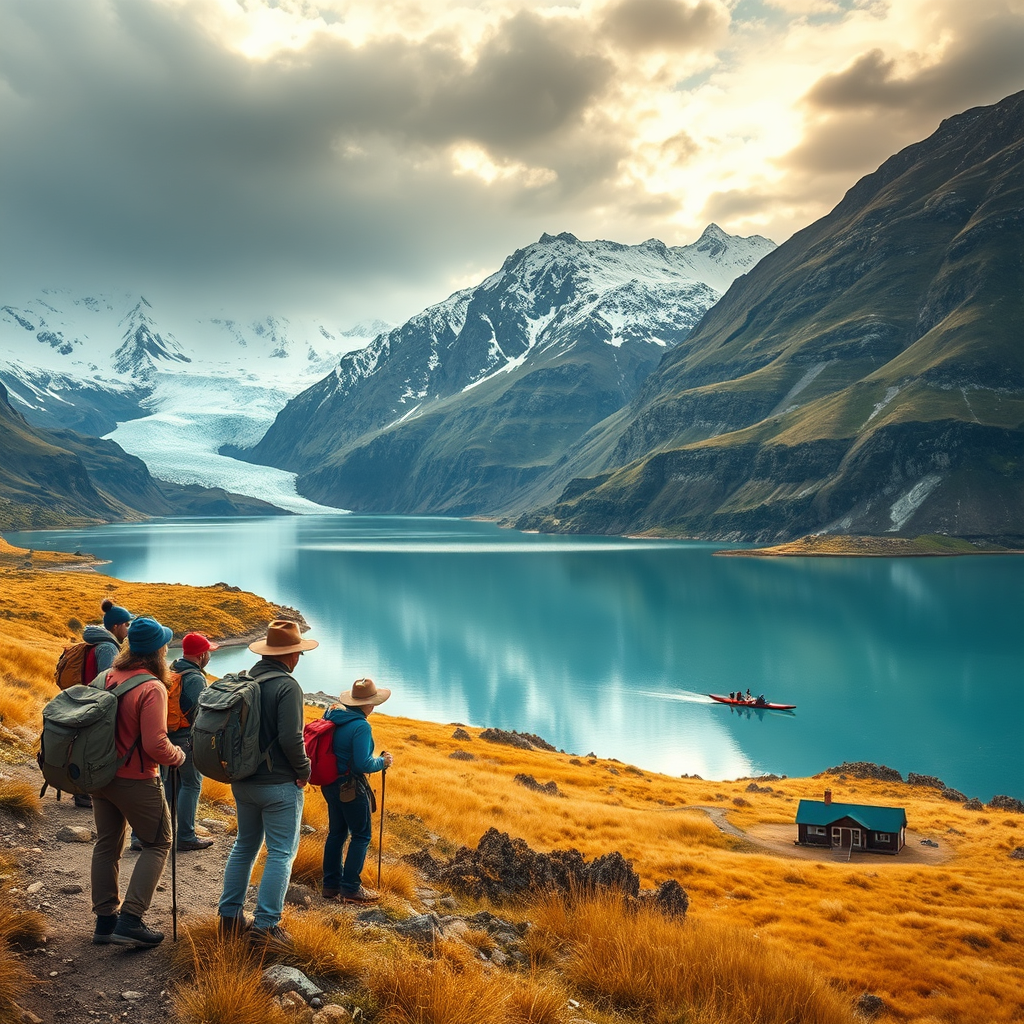
When most people think of Patagonia, iconic images come to mind: the jagged peaks of Torres del Paine, the endless steppe, and the dazzling blue of Perito Moreno Glacier. But as we move into 2025, Patagonia is emerging as a global hotspot not just for its landmarks, but for the experiential journeys it offers.
Travel trends are shifting. More travelers are seeking immersive experiences—adventures that connect them deeply with nature, culture, and themselves. Patagonia, with its wild landscapes and rich indigenous heritage, is perfectly positioned for this movement.
What Makes Experiential Travel in Patagonia Unique?
- Active Participation: Instead of just snapping photos, visitors are trekking glaciers, kayaking through fjords, and horseback riding with local gauchos. These activities foster a sense of accomplishment and personal growth.
- Cultural Immersion: Many tours now include visits to Mapuche and Tehuelche communities. Travelers learn traditional crafts, cook local dishes, and hear ancient stories around the fire. This kind of cultural exchange enriches both visitors and hosts.
- Eco-Conscious Adventure: Patagonia’s pristine environment is fragile. Sustainable travel is a core value here. Many lodges are eco-certified, and guided expeditions emphasize Leave No Trace principles, wildlife conservation, and environmental education.
- Mindful Exploration: Yoga retreats, meditation hikes, and digital detox camps are flourishing. The region’s vast silence and breathtaking vistas provide the perfect backdrop for self-reflection and mental wellness.
How Experiential Journeys Benefit Travelers
| Aspect | Traditional Tourism | Experiential Travel |
|---|---|---|
| Connection | Surface-level, sightseeing | Deep, personal engagement |
| Learning | Passive observation | Active participation, skill-building |
| Impact | Minimal, fleeting | Lasting memories, transformation |
| Sustainability | Often overlooked | Core value, eco-conscious |
Why is this shift happening now? The pandemic years changed how we value travel. People crave authenticity, meaning, and connection. Patagonia answers this call, offering not just a destination, but a journey of discovery—both outward and inward.
For those planning their next adventure, consider this: the most memorable trips are not about ticking off famous sights, but about the stories you live and the growth you experience. Patagonia’s experiential journeys are at the heart of this new travel era.
Tips for Your Own Experiential Journey in Patagonia
- Choose small-group or local-led tours for a more intimate, authentic experience.
- Pack light, but bring an open mind and a willingness to step outside your comfort zone.
- Respect local cultures and the environment—your actions matter.
- Keep a journal or photo diary to reflect on your journey and growth.
In 2025, Patagonia isn’t just a place to visit—it’s a place to become part of. Will you answer the call?

In 2025, Seoul has transformed into a global epicenter for digital nomads, drawing ambitious professionals from every corner of the world. The city’s fusion of ultrafast internet, dynamic co-working spaces, and a thriving cultural scene makes it a top travel destination for those seeking both productivity and adventure.
Let’s explore why Seoul is the city everyone is talking about, and how it’s redefining the digital nomad lifestyle.
Seoul boasts some of the fastest and most reliable internet connections on the planet. Whether you’re video conferencing from a Han River park or uploading large files from a cozy café in Hongdae, connectivity is never an issue. This digital backbone is a magnet for remote workers, tech entrepreneurs, and content creators.
The city is dotted with stylish co-working spaces that cater to every taste and need. From sleek high-rise offices in Gangnam to artsy, plant-filled studios in Itaewon, Seoul’s workspaces foster collaboration and creativity. Many offer 24/7 access, networking events, and even wellness programs—ensuring that work-life balance is not just a buzzword but a lived reality.
Despite its high-tech reputation, Seoul remains surprisingly affordable for digital nomads. Monthly co-living spaces, efficient public transport, and a plethora of affordable eateries make it easy to enjoy a high quality of life without breaking the bank. This accessibility is a key reason why Seoul is consistently ranked among the best cities for remote work.
Seoul’s unique blend of ancient tradition and cutting-edge innovation creates a constant source of inspiration. After a productive workday, digital nomads can explore historic palaces, hike lush mountains, or immerse themselves in K-pop culture. The city’s inclusive communities and regular meetups help newcomers feel at home quickly, fostering both professional growth and personal well-being.
| Feature | Why It Matters | Seoul’s Advantage |
|---|---|---|
| Internet Speed | Essential for remote work and streaming | Average 250 Mbps citywide |
| Co-Working Spaces | Networking and productivity | Over 500 spaces, many open 24/7 |
| Cost of Living | Financial sustainability | Affordable housing and food options |
| Cultural Experiences | Work-life balance and inspiration | Rich history, modern arts, vibrant nightlife |
- Seoul’s public transport is not only efficient but also eco-friendly, making it easy to explore every district.
- Visa policies are increasingly nomad-friendly, with new digital nomad visas introduced in 2025.
- Local tech communities are welcoming and eager to collaborate on global projects.
- Health and wellness are prioritized, with accessible gyms, parks, and meditation centers throughout the city.
Seoul’s Digital Nomad Journey: A Story of Transformation ▼
Once known primarily for its rapid economic growth and K-pop phenomenon, Seoul in 2025 has reimagined itself as a sanctuary for global talent. The city’s journey mirrors the classic storytelling arc:
- Ordinary World: Seoul, a bustling metropolis, yet not fully open to remote work culture.
- Call to Adventure: The global shift to remote work post-pandemic sparks new opportunities.
- Refusal of the Call: Initial skepticism about whether Seoul can adapt to nomad needs.
- Meeting the Mentor: Local entrepreneurs and government initiatives step in, offering support and resources.
- Crossing the Threshold: New co-working hubs and visa programs launch, attracting the first wave of digital nomads.
- Tests, Allies, Enemies: Navigating language barriers, housing, and bureaucracy—but finding allies in the vibrant expat and tech communities.
- Ordeal: Overcoming challenges, Seoul emerges as a model city for digital nomads, blending tradition and innovation.
- Return with the Elixir: The city now thrives as a beacon for global talent, inspiring other destinations to follow its lead.
Seoul’s transformation is not just a trend—it’s a blueprint for the future of work and travel.
For anyone dreaming of a life where work and adventure go hand in hand, Seoul is the place to be in 2025. The city’s reinvention as a digital nomad haven offers not just convenience, but a sense of belonging and endless inspiration.

