Let's find out by comparing the average cost of each country and around the world budget
Is your dream destination within reach, or does your wallet start trembling when you imagine exploring the world? Traveling often starts with a simple question: 'Can I actually afford this?' The ever-changing landscape of global travel prices can make planning confusing and overwhelming. But what if you could compare popular destinations and average budgets, side by side, to see which country offers the best value for your next adventure? Whether you’re a seasoned backpacker, a solo wanderer, or just starting your globetrotting journey, budget-conscious travel is for everyone. In this guide—freshly updated in the past week—we’ll take you across continents, city by city, exploring hotspots where your money stretches farthest (or shortest). Ready to discover the world, one budget at a time—and join fellow travelers in sharing money-saving wisdom? Let’s begin your cost-savvy adventure!
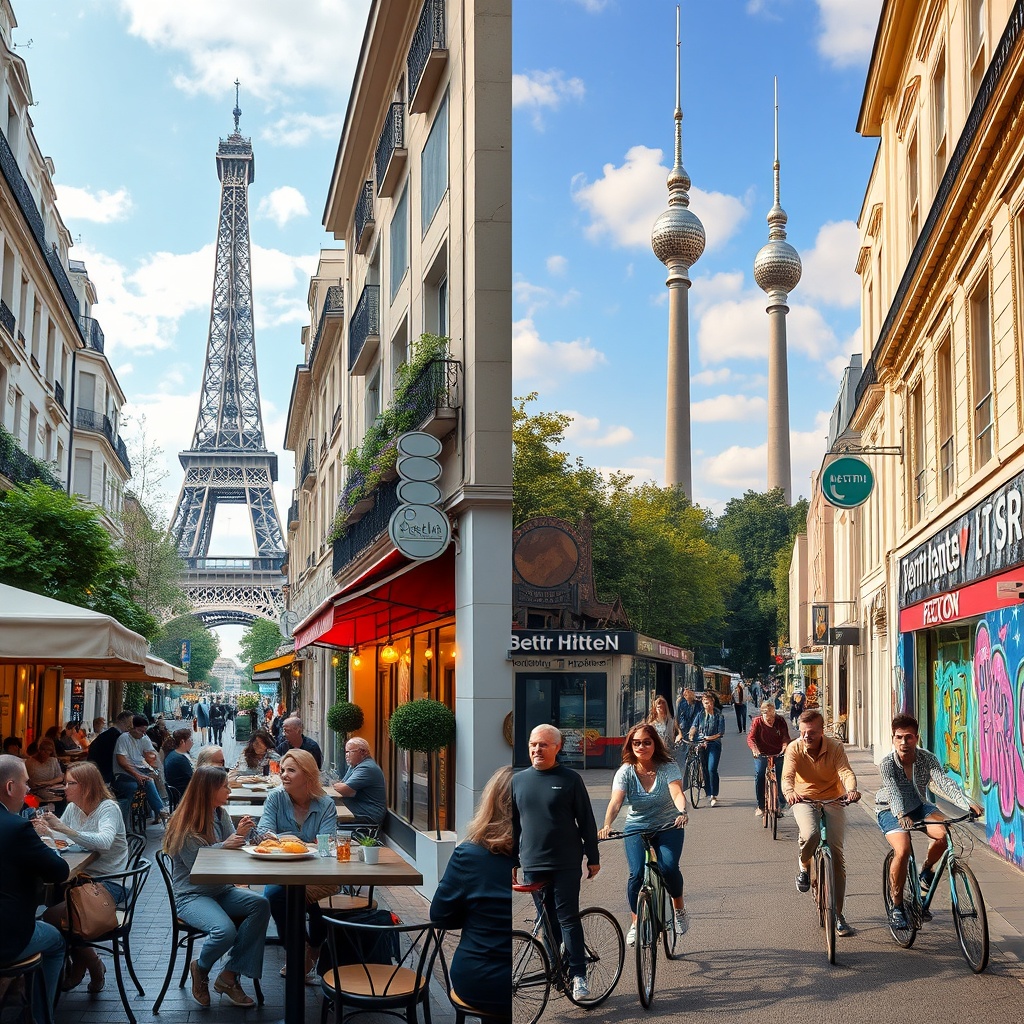
When planning a European adventure, two cities often top the list: Paris and Berlin. Both are cultural powerhouses, rich in history, art, and vibrant city life. But when it comes to budgeting your trip, how do these two hotspots compare? Let’s break down the average costs and see which city aligns better with your travel goals and wallet.
1. Accommodation: Where Will You Sleep?
- Paris: The City of Light is famous for its charming boutique hotels and luxury stays. On average, a mid-range hotel room costs between €120-€180 per night. Hostels are available, but even these can range from €35-€60 per night due to high demand and central locations.
- Berlin: Berlin is known for its affordability. A similar mid-range hotel room will set you back about €80-€120 per night. Hostels are plentiful and can be found for as low as €20-€35 per night, making Berlin a favorite among budget travelers.
2. Food & Dining: Savoring the Local Flavors
- Paris: Dining out in Paris can be a delightful yet pricey experience. A typical meal at a mid-range restaurant costs around €25-€40 per person. For a coffee and croissant at a café, expect to pay about €6-€8. Street food and bakeries offer more affordable options, but overall, food is a significant part of the Parisian budget.
- Berlin: Berlin’s food scene is diverse and much more wallet-friendly. A meal at a mid-range restaurant averages €15-€25. Famous for its street food, you can grab a currywurst or döner kebab for just €3-€5. Coffee is also cheaper, usually around €3.
3. Transportation: Getting Around the City
- Paris: The Paris Metro is efficient but slightly pricier, with a single ticket costing €2.10. A weekly Navigo pass is €22.80, which is ideal for tourists planning to explore extensively.
- Berlin: Berlin’s public transport is known for its value. A single ticket is €3.20, but a daily pass is just €8.80. The city is also very bike-friendly, and rentals are affordable at about €10 per day.
4. Attractions & Entertainment: Experiencing the Best
- Paris: Major attractions like the Louvre (€17), Eiffel Tower (€18–€28), and Musée d'Orsay (€16) can add up quickly. However, many museums offer free entry on the first Sunday of the month, and wandering the city’s beautiful neighborhoods is always free.
- Berlin: Berlin’s top attractions are generally more affordable. Museum Island’s day pass is €19, and the Berlin TV Tower is €24. Many historical sites, such as the Berlin Wall Memorial, are free to visit, making it easy to soak up the city’s history without breaking the bank.
| Category | Paris (Avg. Cost) | Berlin (Avg. Cost) |
|---|---|---|
| Accommodation (per night) | €120-€180 | €80-€120 |
| Meal (mid-range restaurant) | €25-€40 | €15-€25 |
| Public Transport (daily) | €3-€5 | €3-€9 |
| Main Attraction Entry | €16-€28 | €0-€24 |
Key Insights for Smart Travelers
- Budget-conscious? Berlin offers more value for money, especially for accommodation and food.
- Dreaming of Parisian romance? Be prepared for higher costs, but remember that some of the best experiences—like strolling along the Seine—are free.
- Both cities offer free or low-cost attractions, especially if you plan ahead and take advantage of city passes or free museum days.
In summary, your choice between Paris and Berlin will depend on your budget, interests, and travel style. If you want to stretch your travel budget further, Berlin is a fantastic option. If you’re willing to splurge for that iconic Parisian experience, the City of Light awaits. Either way, understanding the average costs will help you plan a memorable and stress-free European journey.
Keywords: Paris, Berlin, travel budget, European cities, cost comparison
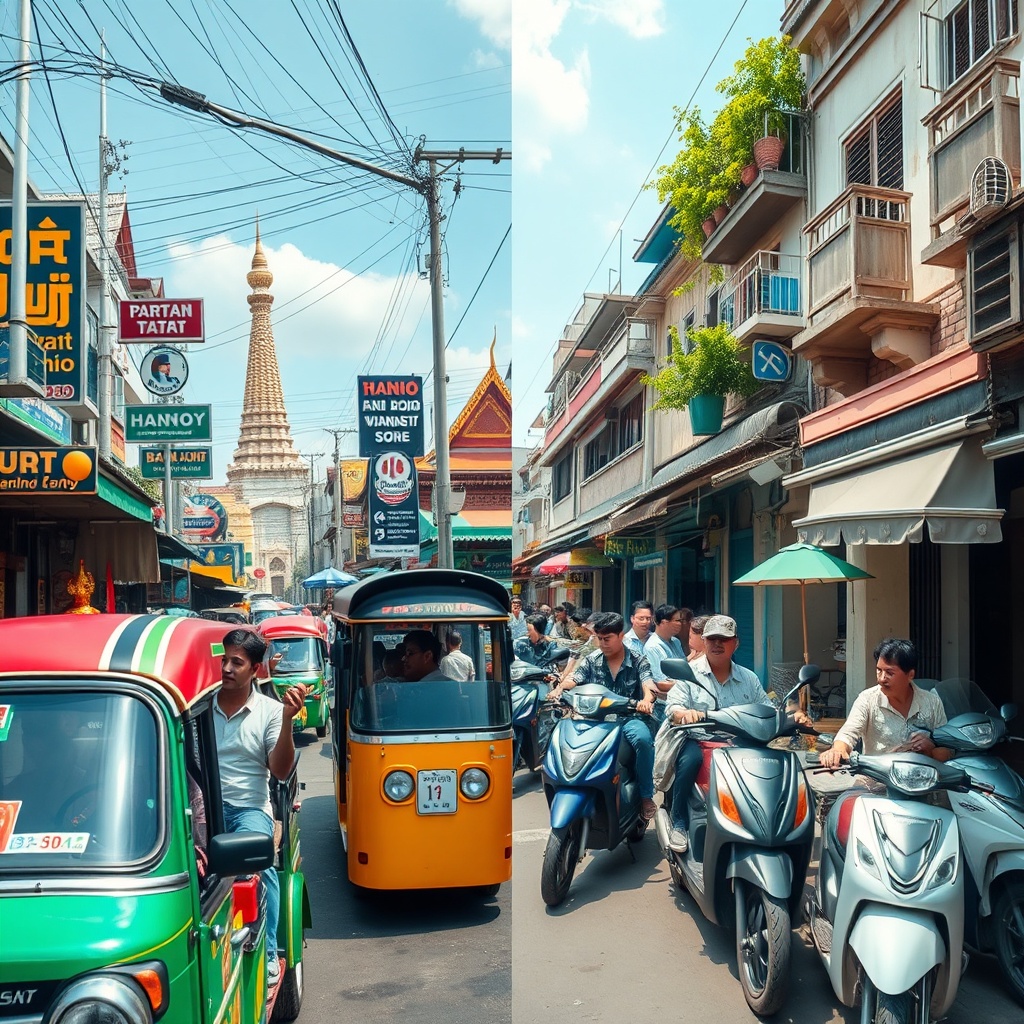
Traveling through Southeast Asia is a dream for many budget-conscious adventurers. Two of the most popular destinations, Bangkok and Hanoi, offer rich culture, vibrant street life, and, most importantly, affordable experiences. But how do their average costs compare, and what insights can you gain to make your journey even more rewarding?
Let’s embark on a journey using the classic 8-stage storytelling formula, blending practical tips with a touch of inspiration for your next trip.
Imagine you’re at home, dreaming of an exotic escape. You want adventure, but your wallet says otherwise. You’ve heard that Southeast Asia is the place to go for budget travel, but you wonder: is it really as affordable as everyone claims?
After scrolling through endless travel blogs, you narrow your options to Bangkok and Hanoi. Both cities promise excitement, flavor, and history—without breaking the bank. But which one offers the best value for your hard-earned money?
Maybe you hesitate. What if the costs are higher than expected? What if you miss out on hidden gems because you’re pinching pennies? This is a common concern for many travelers on a budget.
Enter the wisdom of experienced backpackers and digital nomads. They share their insights: Bangkok and Hanoi are both incredibly affordable, but each city has its own cost dynamics. Understanding these differences can help you maximize your experience.
| Category | Bangkok (USD) | Hanoi (USD) |
|---|---|---|
| Budget Hostel (per night) | 8-15 | 5-10 |
| Street Food Meal | 1.5-3 | 1-2 |
| Local Transport (per ride) | 0.7-1.5 | 0.3-0.7 |
| Attraction Entry | 2-8 | 1-5 |
| Daily Budget (average) | 25-35 | 15-25 |
- Hidden Costs: Watch out for tourist traps, inflated taxi fares, and entrance fees for popular attractions.
- Smart Savings: Use public transport, eat where locals eat, and consider group tours for discounts.
- Allies: Hostel staff, local guides, and fellow travelers can offer invaluable tips to stretch your budget further.
There will be moments when you’re tempted to splurge on a rooftop bar in Bangkok or a gourmet coffee in Hanoi. The key is balance: allow yourself small indulgences while sticking to your daily budget. This way, you’ll create memories without financial regrets.
By comparing the average costs of Bangkok and Hanoi, you gain more than just numbers—you gain confidence. You realize that Southeast Asia truly is accessible for budget travelers, and with a little planning, you can enjoy rich experiences, delicious food, and vibrant culture without overspending.
Whether you choose the energy of Bangkok or the charm of Hanoi, you’ll return home with stories, friendships, and perhaps a new perspective on what it means to travel well on a budget.
- Research average costs before you go.
- Set a realistic daily budget and track your spending.
- Embrace local experiences—they’re often the most affordable and rewarding.
- Connect with other travelers for up-to-date tips and recommendations.

When planning to live, work, or travel abroad, understanding the average cost of living is crucial. In this post, we’ll compare two iconic cities in the Americas: New York City in the United States and Buenos Aires in Argentina. Both are cultural powerhouses, but their budgets tell very different stories.
Let’s embark on this journey using the classic 8-stage storytelling structure, offering insights that can help you make informed decisions for your next adventure.
New York City is often seen as the financial capital of the world, famous for its skyscrapers, diversity, and high-energy lifestyle. Buenos Aires, on the other hand, is renowned for its vibrant tango culture, European-style architecture, and warm social life. But beneath the surface, the cost of living shapes daily experiences in both cities.
Many dream of moving to New York for career opportunities or to Buenos Aires for a more relaxed, artistic life. But before you leap, let’s look at the numbers.
High rent, expensive groceries, and costly transportation in New York can make anyone hesitate. Conversely, the economic instability in Argentina might make Buenos Aires seem risky, despite its lower prices.
Data is our mentor. By comparing key expenses, we can see which city aligns with your budget and lifestyle goals.
| Expense | New York City (USD/month) | Buenos Aires (USD/month) |
|---|---|---|
| Rent (1-bedroom, city center) | $3,500 | $350 |
| Groceries | $500 | $150 |
| Public Transport | $127 | $15 |
| Dining Out (mid-range, 2 people) | $100 | $30 |
| Utilities | $150 | $50 |
Keywords: cost of living, New York, Buenos Aires, budget, lifestyle
Choosing Buenos Aires means embracing affordability and a slower pace, but also navigating inflation and currency fluctuations. New York offers stability and opportunity, but at a premium price.
- Housing: In New York, finding affordable housing is a major challenge. In Buenos Aires, expats can find charming apartments at a fraction of the cost.
- Food: Both cities offer world-class cuisine, but dining out is far more budget-friendly in Buenos Aires.
- Transportation: New York’s subway is efficient but expensive, while Buenos Aires’ public transport is affordable, though sometimes less reliable.
Before making a move, consider your priorities: Do you value financial savings and a rich cultural life, or are you seeking career advancement and global connections?
By comparing these two cities, you gain a clear perspective on what your money can buy and how your lifestyle might change. Whether you choose the hustle of New York or the charm of Buenos Aires, understanding the average cost of living empowers you to plan, save, and thrive.
Insight: Your budget isn’t just about numbers—it’s about designing the life you want. Take time to reflect on what matters most to you, and let that guide your decision.
Have you lived in either city? Share your experiences and tips in the comments below. Let’s help each other make smarter, happier choices!
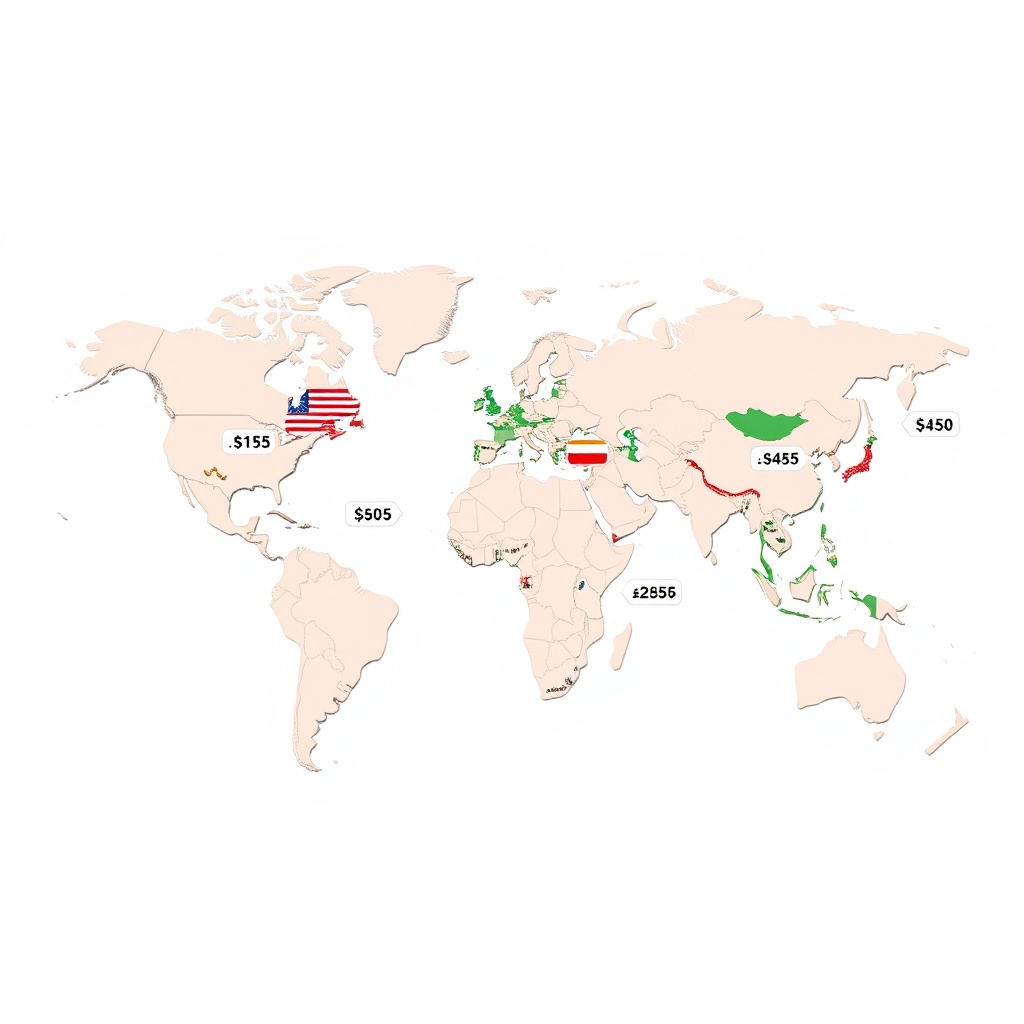
Have you ever wondered how your daily expenses compare to people living in other parts of the world? Understanding the average cost of living across countries is not just fascinating, but also practical for travel planning, relocation, or even broadening your financial perspective.
Let’s embark on a journey around the globe, using the lens of average daily budgets. We’ll see how much it typically costs to live in various countries, what factors drive these differences, and how you can use this knowledge to make smarter life decisions.
According to recent data, the global average daily cost of living hovers around $50 per person. This includes food, accommodation, transportation, and basic entertainment. However, this number varies dramatically by region and lifestyle.
- Western Europe & North America: Countries like Switzerland, Norway, and the USA often see daily costs between $100 and $200, driven by high wages, quality infrastructure, and strong currencies.
- Asia: In places like Thailand, Vietnam, and India, daily costs can be as low as $20–$40, thanks to affordable food, accommodation, and local transportation.
- South America & Africa: Many countries here fall in the $30–$60 range, though urban centers may be pricier.
Key Insight: Your money goes much further in some countries than others. Understanding this can help you maximize your savings or travel experiences.
- Currency Strength: A strong local currency can make everything from groceries to rent more expensive for visitors.
- Wages & Economic Development: Higher wages and developed infrastructure often lead to higher living costs.
- Local Production: Countries that import most goods (like Singapore or Iceland) face higher prices.
- Government Policies: Taxes, subsidies, and social programs all play a role in shaping costs.
Practical Tip: If you’re planning to move or travel, research the average cost of living in your destination. Use cost comparison tools and local forums for up-to-date insights.
- Travel Planning: Knowing where your budget stretches further can help you design longer, richer trips.
- Remote Work & Digital Nomadism: Many remote workers choose countries with lower living costs to boost their quality of life and savings.
- Retirement: Retirees often seek destinations where their pensions go further without sacrificing comfort.
- Financial Awareness: Even if you stay put, comparing your country’s average costs can spark ideas for budgeting and lifestyle changes.
Insight: Comparing global budgets is not just about saving money—it’s about gaining perspective on value, priorities, and what truly matters in life.
| Country | Average Daily Cost (USD) | Notable Factors |
|---|---|---|
| Switzerland | $150 | High wages, strong currency, quality services |
| USA | $120 | Varied by state, healthcare costs |
| Thailand | $35 | Affordable food, tourism infrastructure |
| India | $25 | Low cost of living, local production |
| Brazil | $45 | Urban vs rural divide, local markets |
Tip: Use this table as a starting point for your own research. Local conditions can change quickly, so always check recent data before making big decisions.
Comparing the average cost of living around the world isn’t just a numbers game. It’s a way to open your mind, discover new opportunities, and make informed choices for your life, travels, or financial goals.
Where would you go if your budget could take you anywhere? Sometimes, the world is more accessible than you think—especially when you understand the true value of a dollar in different corners of the globe.

